Itchy red bumps in the morning, in a line or a small cluster? They may be bed bug bites. The bites alone cannot prove it, but your bed can.
Key takeaways
- Bed bug bites are small, itchy red welts, often in a line or a zigzag, on skin exposed in bed.
- They usually heal on their own within a week and are not known to spread disease. Wash them and don't scratch.
- Bites alone don't prove bed bugs: rusty stains, dark spots and apple-seed-sized bugs on the mattress do.
- Foggers miss the cracks where bed bugs hide. A professional treatment takes weeks and may need a retreatment.
This guide shows what the bites look like, how to treat them, and how to confirm bed bugs before you call anyone.
What do bed bug bites look like?
Bed bug bites look a lot like mosquito or flea bites. The Centers for Disease Control and Prevention (CDC) describes them this way:
- The look: a slightly swollen red area that may itch.
- The pattern: random, or in a straight line. Cleveland Clinic adds zigzag patterns.
- The place: skin that touches the bed at night. Face, neck, arms, hands, back and legs.
- The timing: most people notice them one to several days after the bite. For some, it takes up to 14 days.
Why at night: bed bugs feed on human blood. They come out while you sleep, then hide again.
Some people never react at all. Two people can share a bed, and only one wakes up with bites.
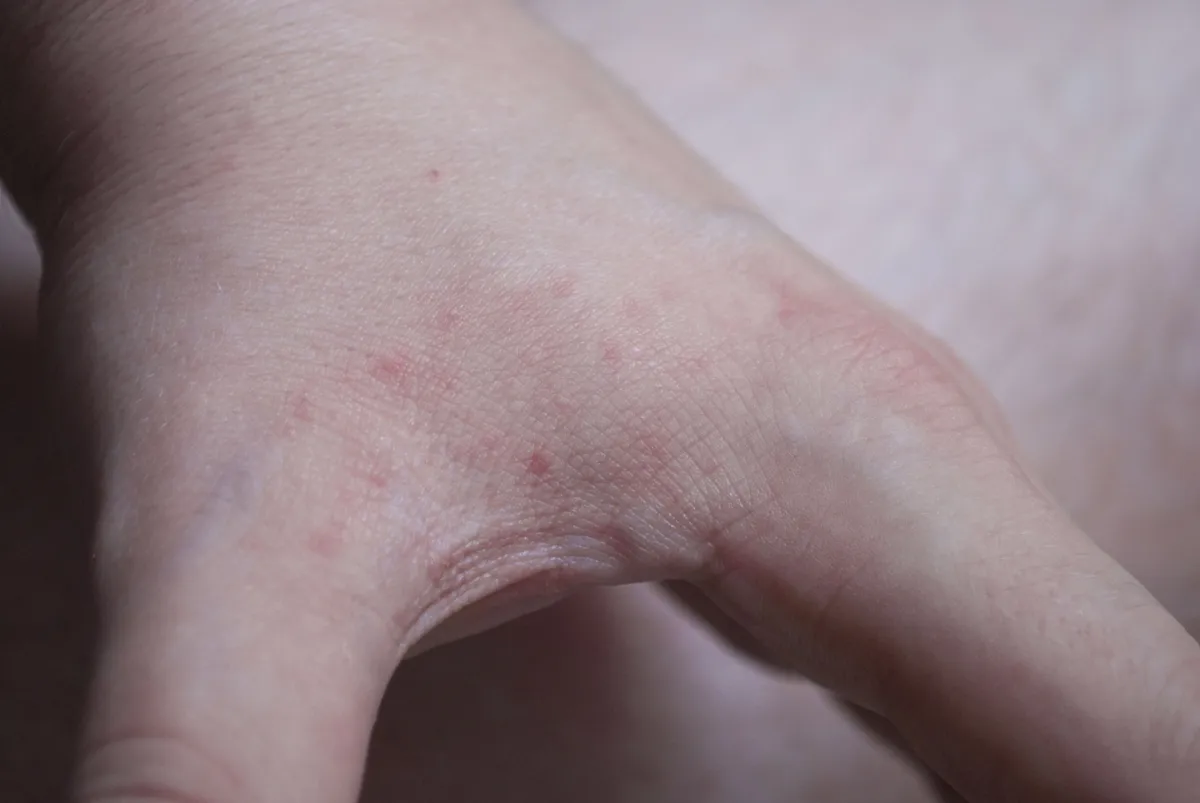

Good to know: the Environmental Protection Agency (EPA) calls bites "a poor indicator" of bed bugs. Only the signs in your bedroom confirm them.
How do I know if I was bitten by bed bugs?
Compare the bites with other common bites first. Then check the bed.
| Clue | Bed bugs | Mosquitoes | Fleas |
|---|---|---|---|
| Pattern | Lines, zigzags or small clusters | Single bites, at random | Small bites, often grouped |
| Where | Skin exposed in bed: arms, neck, face | Any bare skin | Mostly ankles and lower legs |
| When | At night, in bed | Evening and night, indoors or out | Day and night, often with a pet at home |
| What confirms it | Stains and dark spots on the mattress | Warm season, a buzz at night | A dog or cat that scratches |
Still unsure? A doctor or a pharmacist can rule out a rash, hives or an allergy.
Signs in the bedroom that confirm bed bugs
Where to look: mattress seams, the box spring, the headboard, and baseboards near the bed. A flashlight helps. The EPA lists these signs:
- Rusty or reddish stains on sheets or the mattress, from crushed bed bugs.
- Dark spots the size of a dot. This is their excrement, and it bleeds into fabric like a marker.
- Eggs and eggshells, about 1 mm, and pale yellow skins shed by the young.
- Live bed bugs: flat, oval and brown, about the size of an apple seed (3/16 to 1/4 inch).
After a meal, a bed bug turns reddish and swells like a small balloon. The CDC also mentions a sweet, musty odor.
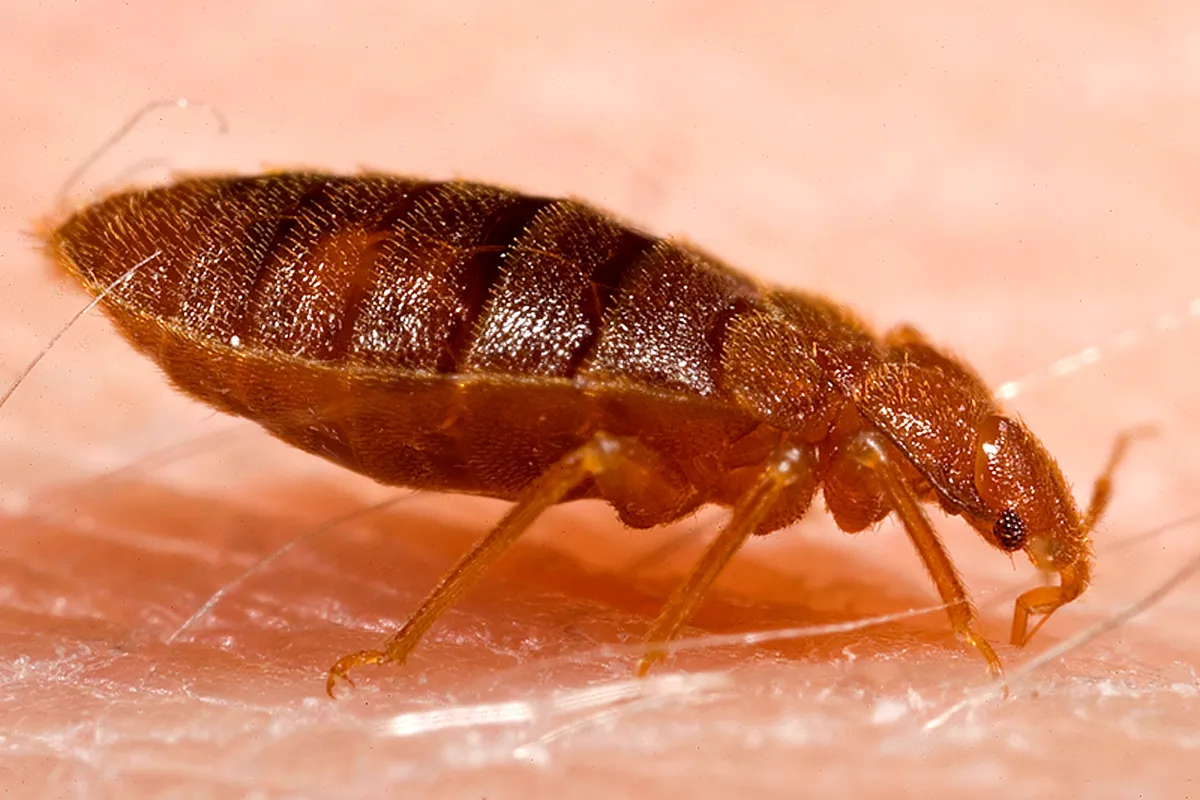
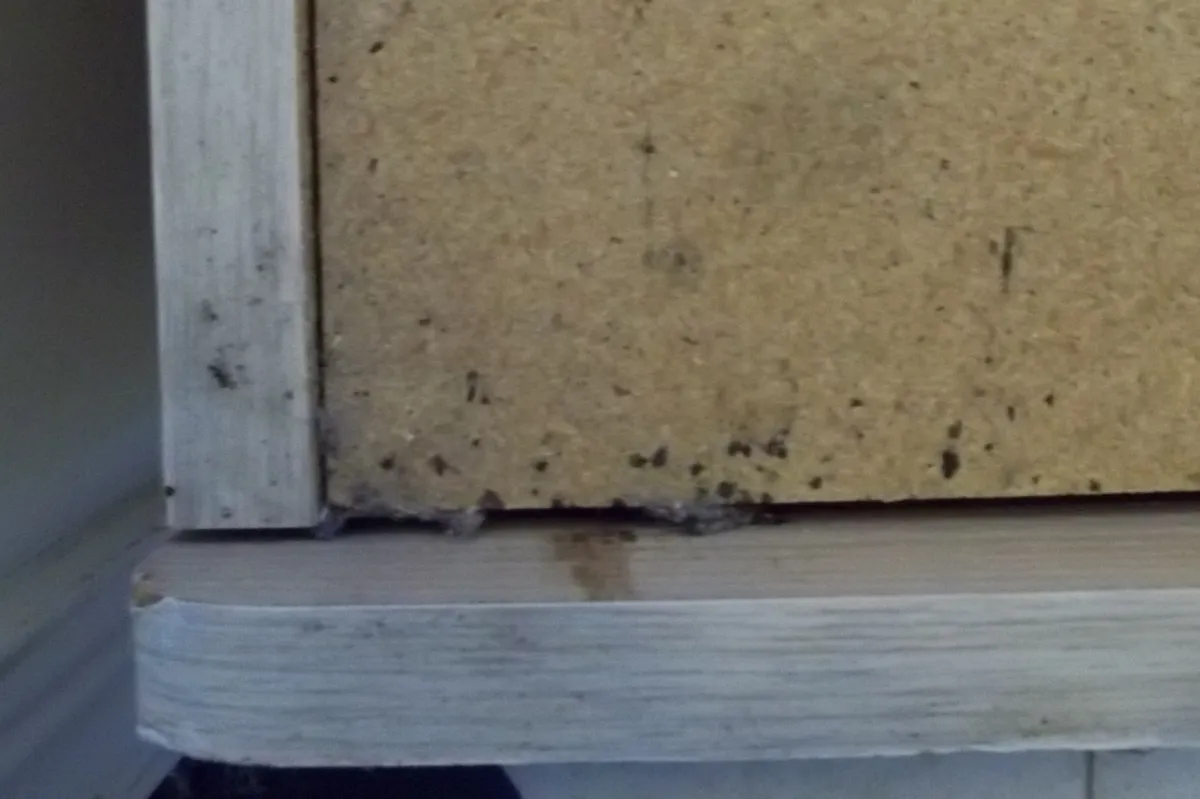

One of these signs is enough to act. A young infestation is easier to treat.
When the signs are unclear or spread across rooms, a canine bed bug inspection can find the bugs an eye misses.
How to treat bed bug bites
The good news: most bites need no medical treatment, says the CDC. They heal on their own, usually within a week according to Cleveland Clinic.
- Wash the bites gently with soap and water.
- Don't scratch. Scratching makes the itch last and can infect the skin.
- If it itches a lot, an anti-itch cream or an antihistamine may help. Follow the label, or ask a pharmacist.
- See a doctor if a bite looks infected (warm, swollen, painful), or if you have an allergic reaction.
This is general information, not medical advice. In doubt, ask a doctor or a pharmacist.
Do bed bugs spread disease? No. The CDC and the EPA both say bed bugs are not known to spread disease. The risks are an infected scratch and poor sleep.
What to do at home today
These steps slow the spread. They need no pesticide, and the EPA's do-it-yourself guide lists most of them:
- Run bedding and clothes in the dryer on high heat.
- Freeze small items that cannot be washed: in a sealed bag, at 0 °F, for three days.
- Vacuum the mattress, its seams and the baseboards. Seal the bag and take it outside.
- Keep items in place. Moving things to another room moves the bugs too.
- Don't turn up the heat with the thermostat, a space heater or a fireplace. The EPA says it does not work and is dangerous.
These steps slow an infestation. They rarely end it.
Renters: what to do first
Tell your landlord right away, in writing. Keep a copy and the date.
- Describe what you found: bites, stains, live bugs. Photos help.
- Don't treat alone with store-bought sprays. You may spread the bugs to other rooms.
- Check your state's rules. According to the EPA, 21 states have a law or rule about bed bugs. Who pays depends on your state and your lease.
- Prepare the unit the way the company asks: laundry done, floors clear, items bagged.
In an apartment building, tell the manager too. Bed bugs travel from one unit to the next.
Store-bought sprays and bug bombs: what to know
Sprays, powders, foggers: the shelves are full. Here is what the EPA says about them.
- The label first: use only an EPA-registered product with bed bugs listed on its label.
- Foggers miss the bugs: the spray does not reach the cracks where bed bugs hide.
- Foggers are risky: misuse can harm your health or cause a fire or an explosion.
- Never the only method: the EPA says foggers should not be your only bed bug control.
Warning: follow the label to the letter. Using a pesticide against its label breaks federal law. Keep children and pets away, air the room, and never use a product sold for professionals only.
The EPA counts more than 300 registered bed bug products. Some are for professionals only.
When to call a pest control company
Call a company once the signs are confirmed. Don't wait if:
- new bites keep coming after laundry and vacuuming;
- several rooms are affected;
- you live in an apartment building.
Treating bed bugs takes weeks to months, warns the EPA. A professional often combines methods: heat, steam, and products not sold to the public. A heat treatment must reach at least 120 °F for 90 minutes to kill the eggs, according to the EPA. Our guide explains how bed bug heat treatment works, from the professional process to what you can do yourself.
Before you sign, ask in writing:
- how many visits the price includes;
- the method, room by room;
- what you must prepare before the first visit;
- the guarantee, and what happens if the bugs come back;
- the state license of the technician who treats your home.
For a budget, see our page on bed bug treatment cost. Virginia Cooperative Extension puts heat treatments at $500 to $5,000. Each company sets its own prices.
After the treatment
Stay alert for several weeks. A follow-up visit helps confirm the result.
- Check the mattress and its seams every week.
- Keep washing and drying your bedding on high heat.
- Report any new bite to the company: this is when the guarantee counts.
Find a company near you
WayPest compares bed bug exterminators on what they publish: prices, guarantee, state license. We score them on one published grid, and no company pays for its place.
- Compare bed bug exterminators in your area.
- Get quotes from one to three companies you choose.
Frequently asked questions
How long do bed bug bites last?
Most bites heal on their own within a week, says Cleveland Clinic. They can last longer if you scratch them or react strongly. See a doctor if a bite looks infected.
Do bed bugs go away if you shower?
No. Bed bugs don't live on your skin: they hide in mattress seams, furniture and cracks, and come out at night to feed. A shower cleans the bites, not your home.
Are bed bugs visible to the human eye?
Yes. An adult is about the size of an apple seed, 3/16 to 1/4 inch long, says the EPA. Eggs are about 1 mm and the young are pale, so they are much harder to spot.
What kills bed bugs permanently?
There is no single fix. Heat kills bed bugs at every stage when it is high enough: at least 120 °F for 90 minutes for the eggs, says the EPA. Companies often combine heat with other methods, and a retreatment may be needed.
How much does bed bug treatment cost?
Virginia Cooperative Extension puts a heat treatment at $500 to $5,000, depending on the size of the home and the number of technicians. Each company sets its own prices. Ask how many visits the quote includes.

Guillaume Zehren is a co-founder of WayPest and a software engineer at Thales. He is a full-stack web developer. His articles · The team